

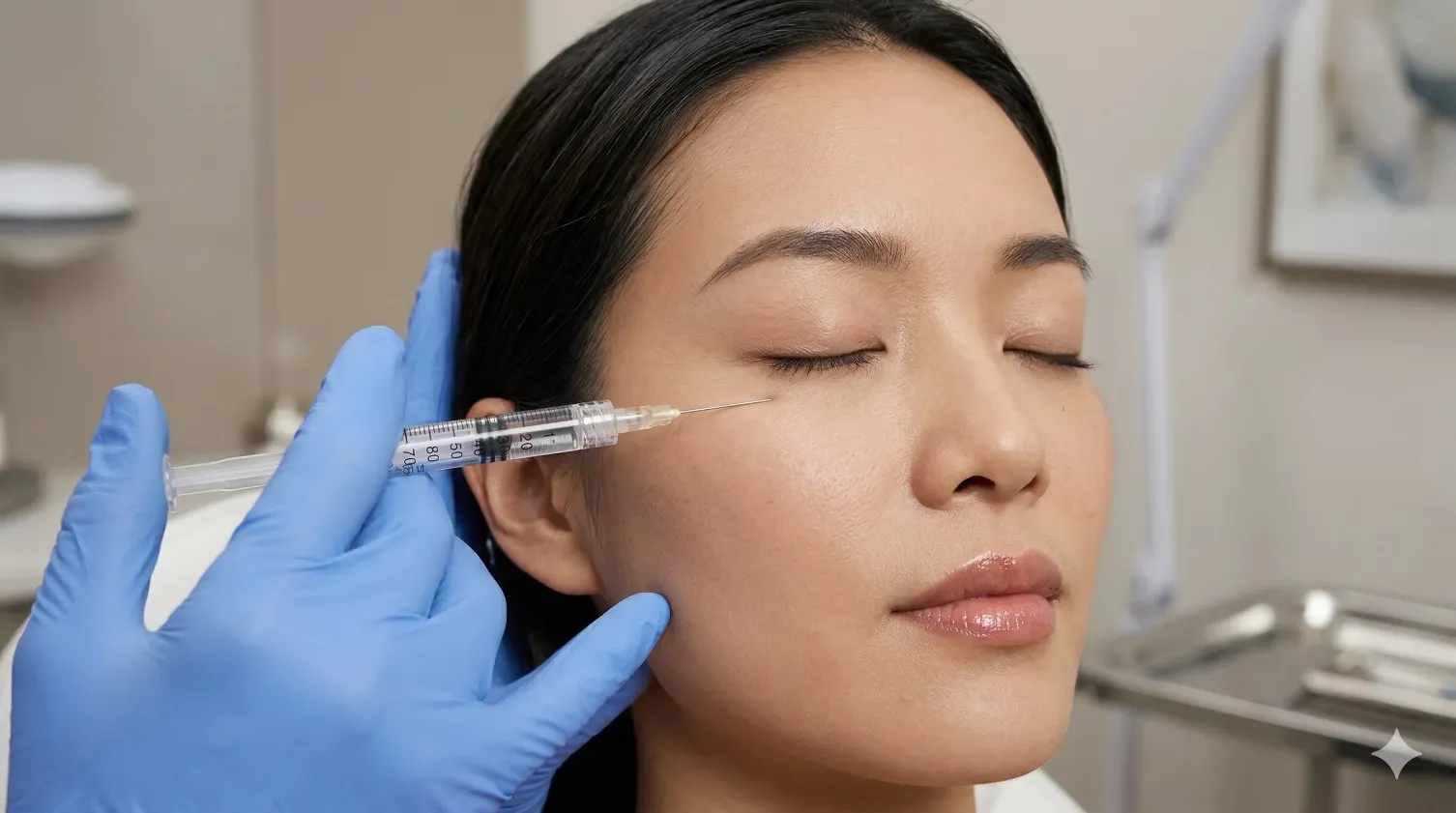
Facial fillers can help restore lost volume, refine facial proportions and soften selected lines while maintaining a natural appearance. The right approach depends on individual facial structure, skin quality, existing volume and personal aesthetic goals. Rather than following trends or copying another person’s treatment, filler should be planned around the unique balance of the face. A careful consultation allows the practitioner to assess these factors and recommend the most suitable product, treatment area and amount.
Start With Facial Proportion, Not a Trend
Aesthetic trends change quickly, but what suits one person may not suit another. A practitioner should consider how the cheeks, lips, chin and jawline relate to one another rather than treating one feature in isolation. People considering Dermal Filler Malaysia should therefore expect an individual assessment rather than a fixed package. Nexus Clinic describes its filler planning around facial anatomy, volume loss, contour and personal goals.
Understand What Dermal Fillers Do
Dermal fillers are gel-like materials injected beneath the skin to add or restore volume. Hyaluronic acid fillers are commonly used in areas such as the lips, cheeks and chin. Different products have different characteristics, so one filler is not necessarily suitable for every area. The practitioner should explain what product is being recommended, where it will be placed and what change it is intended to create.
The FDA advises patients to choose licensed healthcare providers who understand fillers, facial anatomy and complication management.
Lip Filler Should Respect Natural Shape
Someone exploring Lip Filler Malaysia may want more volume, but that is not the only goal. Some patients want better definition, improved symmetry or subtle restoration of volume lost over time.
Nexus Clinic describes its lip filler approach as tailored to anatomy and personal preferences. It also notes that swelling and bruising can occur while the filler settles. A natural-looking result should fit the rest of the face. The practitioner should assess the lips at rest and during expression rather than plan treatment from a photograph alone.
More Filler Is Not Always Better
Patients sometimes arrive with a specific amount in mind after seeing another person’s result online. However, volume should not be selected by copying someone else’s treatment.
Existing proportions, previous filler and the desired degree of change all matter. A smaller amount may sometimes create a more balanced result.
Conservative planning also leaves room for reassessment. It can be easier to add more later than to correct an overfilled appearance.
Know the Risks Before Treatment
Temporary swelling, redness, tenderness and bruising can occur after filler injections. Less common complications can be more serious.
The FDA identifies accidental injection into a blood vessel as the most concerning filler risk because it can interrupt blood supply and, in rare cases, cause tissue damage, vision problems or stroke.
This is why filler should be treated as a medical procedure. Patients should ask how complications are recognised and managed before treatment.
Know What Product Is Being Used
Patients should know the name and type of filler being injected. Many facial fillers use hyaluronic acid, but products differ in formulation and intended use.
A clinic should be able to explain why a particular option has been chosen. Patients should also avoid informal services where the product source or practitioner qualifications are unclear.
Allow Time Before Judging the Result
Filler can create an immediate change, but the treated area may look swollen afterwards. The final appearance is better judged after the initial swelling settles. Nexus Clinic notes that lip filler may take around 7 to 14 days to settle as mild swelling or bruising subsides.
Follow-up can help check symmetry, discuss concerns and decide whether further treatment is needed.
Repeated appointments should include reassessment rather than automatically adding the same amount. Existing filler and changing facial proportions may affect what is appropriate later.
Think Beyond Price
Cost is part of the decision, but it should not be the only factor.
Prices can vary according to the product, volume, treatment area and practitioner. Nexus Clinic’s current filler information also shows different pricing according to the product and treatment area.
Patients should ask what the quoted price includes and whether follow-up is part of the plan. Choosing the lowest price without considering product authenticity, practitioner experience and complication management can create unnecessary risk.
Conclusion
Dermal fillers can enhance facial balance, restore selected volume or refine features such as the lips, but good results depend on careful planning.
The safest approach starts with facial assessment, realistic expectations and an appropriately qualified practitioner. Patients should understand the product, expected result, possible side effects and follow-up plan before treatment.
Rather than asking how much filler can be added, it is more useful to ask what amount and placement will best suit the face while keeping the result proportionate and natural-looking.