

Introduction
Building an emergency food supply requires more than simply buying food with a long shelf life. The right choices should be safe, practical, nutritious, and suitable for your household. Two popular options are freeze-dried meals and canned food.
Both can play a useful role in emergency preparedness, but they have different characteristics. Understanding those differences can help you decide which option best suits your storage space, budget, and preparedness goals.
What Are Freeze-Dried Meals?
Freeze-drying removes moisture from food through a process that preserves much of its original structure and flavour. The resulting food is lightweight and can have a long shelf life when properly packaged and stored.
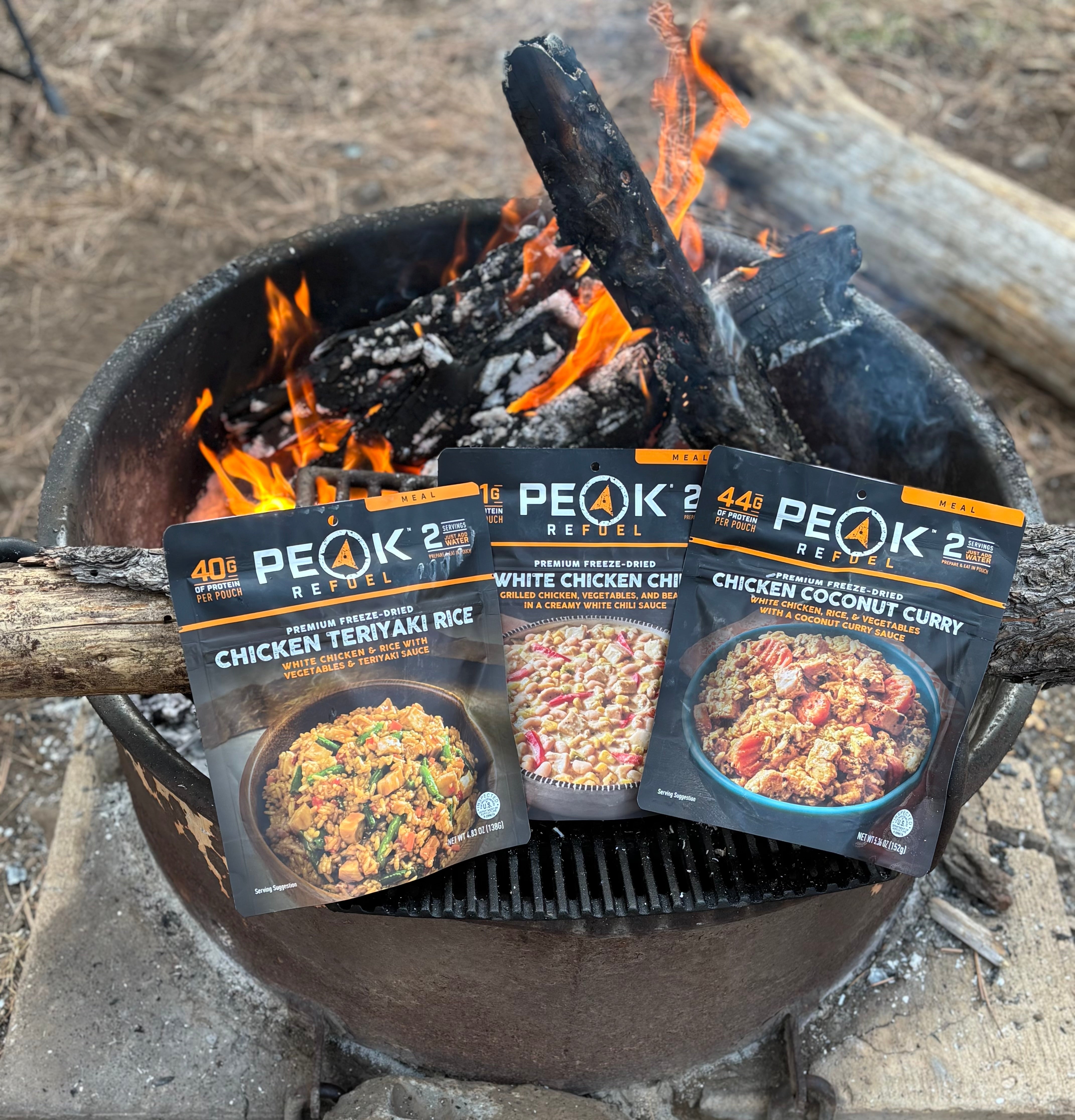
Many freeze-dried meals are designed specifically for emergency preparedness, camping, and outdoor activities. They are often packaged in pouches or containers and can be prepared by adding water.
Benefits of Freeze-Dried Meals
1. Long shelf life:
Properly packaged freeze-dried foods can remain suitable for long-term storage, depending on the product and storage conditions.
2. Lightweight:
Removing moisture significantly reduces weight, making these foods easier to transport.
3. Compact storage:
Freeze-dried meals generally take up less space than many equivalent canned foods.
4. Convenient preparation:
Many meals only require water and basic preparation.
5. Variety:
They are available in a wide range of meals, ingredients, and flavours.
However, freeze-dried foods usually require access to clean water and may have a higher upfront cost than some conventional canned products.
What Are the Benefits of Canned Food?
Canned food is a familiar option for emergency food storage. It is widely available in supermarkets and can include vegetables, fruits, beans, soups, meats, and complete meals.
Benefits of Canned Food
1. Ready to eat:
Many canned foods can be consumed without additional cooking, although heating may improve taste.
2. Easy to find:
Most supermarkets stock a wide range of canned products.
3. Affordable:
Canned foods can be relatively inexpensive, particularly when purchased during promotions.
4. Variety:
There are numerous options for building a balanced emergency pantry.
5. No special preparation:
Unlike many freeze-dried meals, canned food does not necessarily require added water.
The main drawback is weight. Cans are considerably heavier than freeze-dried products, particularly when storing larger quantities.
Which Option Has a Longer Shelf Life?
Shelf life varies considerably by product, packaging, storage conditions, and manufacturer. Some specially packaged freeze-dried emergency foods are designed for very long-term storage, while canned foods generally have a shorter recommended storage period.
However, long shelf life does not mean indefinite shelf life. Always follow the manufacturer’s storage instructions and check packaging regularly for damage or deterioration.
Conclusion
For many households, combining the two options can create a more flexible emergency food supply. Canned foods can provide familiar everyday ingredients, while freeze-dried meals can offer lightweight, compact options for longer-term storage or evacuation situations.
Whatever you choose, consider nutrition, shelf life, storage conditions, preparation requirements, dietary needs, and water availability.
Ultimately, freeze-dried meals and canned food serve different purposes. A well-planned emergency food supply can use the strengths of both to provide practical options when normal food shopping or cooking becomes difficult.