

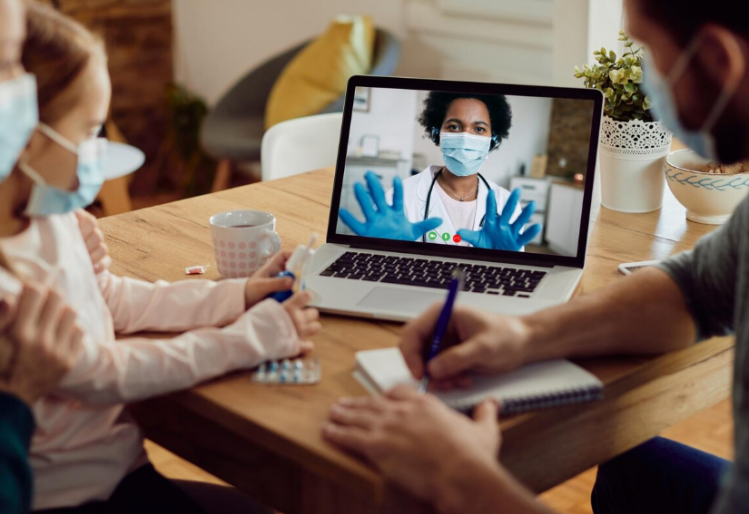
Virtual healthcare has changed a lot in the last few years, and it has completely changed how patients get care. Virtual patient care is a new way to get medical care from a distance by using technology to connect patients with doctors and nurses. As telemedicine and digital health platforms get better, virtual care services for patients are becoming more and more important in modern healthcare systems. This article talks about the idea of virtual patient care and how these services are changing the way healthcare is delivered in the future.
What does “virtual patient care” mean?
Virtual patient care is when healthcare services are provided through digital platforms so patients can talk to doctors, nurses, and other healthcare professionals without having to go to a real clinic. You can have virtual consultations, remote monitoring, and even virtual follow-ups with this solution. Virtual patient care is an important way to make healthcare more accessible, especially for people who have trouble moving about, reside in distant places, or need care right away but can’t get to a healthcare facility.
Virtual patient care services use telehealth technologies to let clinicians diagnose, treat, and manage a wide range of health problems from a distance. This technology has been especially useful for keeping track of chronic diseases, mental health difficulties, แผ่นรองซับ and regular check-ups, making sure that patients get the same care no matter how far away they are.
Advantages of Virtual Care Services for Patients
One of the best things about virtual care services for patients is that they are easier to get to. Patients don’t have to travel to a healthcare institution for basic consultations anymore. This is especially helpful for people who live in remote areas or who have trouble getting around. This service lets people get medical care from the comfort of their own homes, which saves them time and money.
Another big plus is how easy it is to use. Virtual consultations make it easier for patients to incorporate healthcare appointments into their busy lives because they may be scheduled more easily. Also, virtual care services for patients often cut down on wait times because appointments may be made faster than they can be in person.
Virtual patient care also makes things easier for healthcare facilities, allowing them to use their resources on more critical patients. It also lets healthcare workers access more patients, which makes healthcare delivery more efficient overall.
How Technology Helps with Virtual Patient Care
Advanced technology like video conferencing, wearable health equipment, and secure web portals are very important for the success of virtual patient care. These technologies let healthcare workers keep an eye on patients’ vital signs, see how they’re doing, and talk to one another in real-time. Virtual patient care services are getting better and better thanks to the use of artificial intelligence (AI) and machine learning. These technologies give clinicians data-driven insights that help them make better judgments.
Wearable equipment like heart rate monitors, glucose sensors, and blood pressure cuffs let doctors keep an eye on their patients’ health from afar, for example. This constant monitoring makes it possible to act quickly, which helps avoid problems and improve overall health results. The fact that patients and clinicians may talk to each other without any problems is what makes virtual patient care services so useful.
Things to think about and problems with virtual patient care
There are evident benefits to virtual patient care, but there are also problems that come with it. One of the biggest problems is making sure that patient data is safe and private. Because sensitive health information is sent via the internet, there needs to be strict cybersecurity protections in place to keep patients’ information private. To keep their patients’ trust and safeguard them, healthcare practitioners must follow rules like HIPAA (Health Insurance Portability and Accountability Act).
Having stable internet access is another problem. A stable internet connection is needed for virtual patient care to work, but not all places have this. People who live far away or don’t have access to high-speed internet may have trouble getting these services.
Virtual Care Services for Patients and How They Affect Healthcare Systems
Virtual care services for patients have changed healthcare systems all around the world in a big way. Healthcare providers can ease the burden on emergency rooms and primary care clinics by giving patients the option to get care from a distance. Virtual care systems can make processes more efficient, which means that healthcare personnel can handle more patients while still providing high-quality treatment.
Also, patient virtual care services have made patients happier by making healthcare easier to get to and more convenient. When patients can get medical assistance from the comfort of their own homes, they are more likely to do so quickly. This can lead to earlier diagnosis and improved overall health outcomes.
Conclusion
Virtual patient care is at the forefront of the rapid changes happening in the healthcare field. Patient virtual care services are changing the way healthcare is given by making it more accessible, convenient, and efficient, among other things. As technology keeps becoming better, we should expect these services to become even more common in everyday healthcare, making it easier and cheaper for everyone to get care.
As more and more people want virtual healthcare solutions, sites like ur.healthsure3x.com are helping to connect patients with healthcare practitioners. This makes sure that everyone can get the care they need. Virtual care is the future of patient care, and it is altering lives every day.