

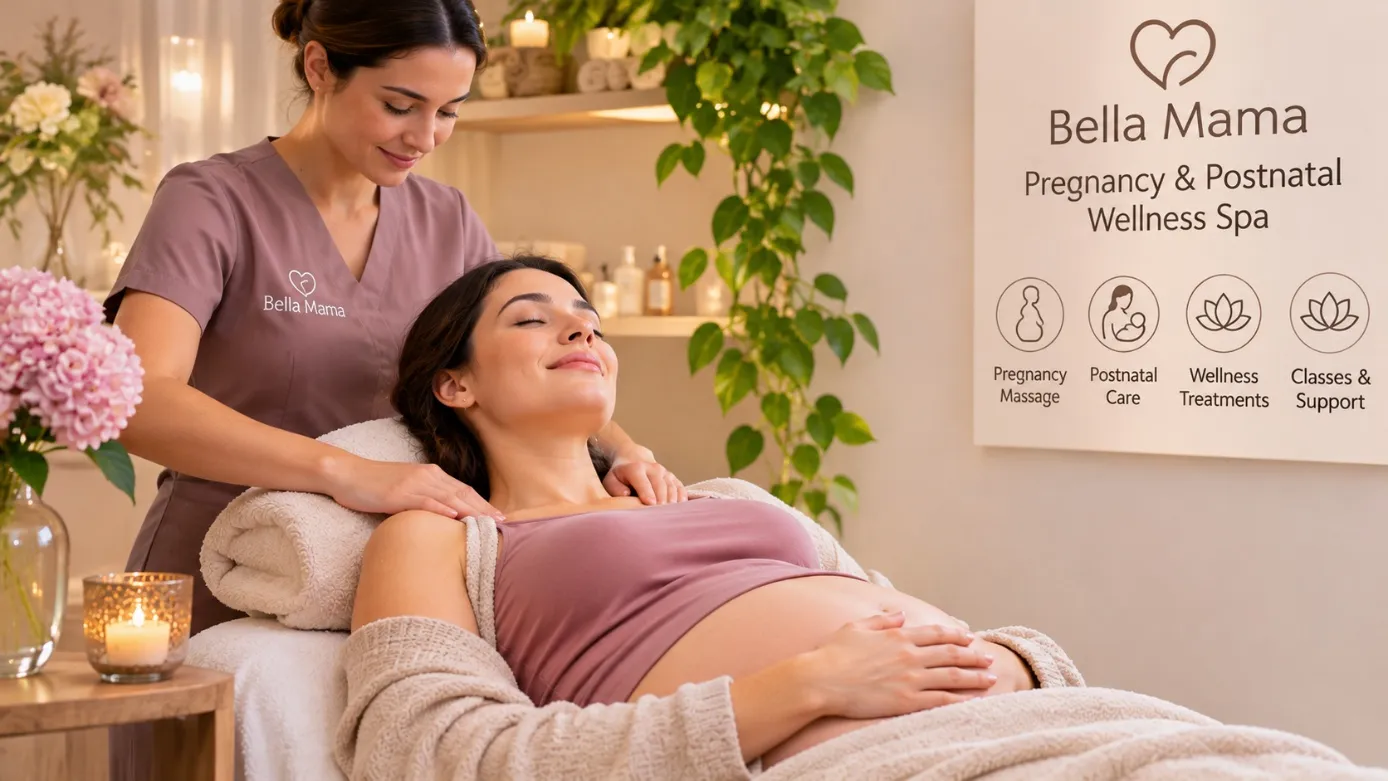
Entrepreneurs scanning New Zealand’s service economy often chase crowded categories, yet some of the most promising openings sit in quiet, specialised corners. Maternal wellness is one of them. Expectant and new mothers want care designed around their bodies, not a generic treatment adapted at the last minute. For anyone exploring a pregnancy spa franchise, the appeal lies in serving a clearly defined audience with genuine needs. This article looks at why that focus matters, what customers expect, and how operators can build something lasting.
Niche Markets Reward Depth Over Breadth
Broad spa menus compete on price and convenience, which squeezes margins quickly. A specialist model works differently. When a business becomes known for one audience, it earns trust that generalists struggle to match. Mothers talk to each other, share recommendations, and return when they need care again. That word-of-mouth loop lowers marketing pressure and builds loyalty naturally. Depth also lets a team refine techniques, scripts, and environments until they feel unmistakably right for the people walking through the door each day.
Understanding the Customer Journey
A pregnancy lasts roughly nine months, and a mother’s needs shift throughout it. Early weeks may bring fatigue, mid-pregnancy often brings back pain and hip tension, and the final stretch calls for comfort and rest. After birth, recovery and emotional support take over. Each stage creates a reason to visit, which gives a maternal wellness business a natural rhythm of repeat bookings. Mapping that journey carefully helps owners design packages, timing, and communication that feel genuinely helpful rather than pushy to every client.
Trust Comes From Professional Relationships
In maternity care, credibility rarely comes from advertising alone. Midwives, doctors, and antenatal educators are often the first people a mother consults, so their confidence in a service carries real weight. Businesses that invest in clear safety standards, qualified therapists, and open communication with health professionals tend to earn referrals over time. Those relationships take patience to build, but they become one of the strongest and most durable sources of new clients in the sector, particularly within close-knit local communities.
Designing a Calming Environment
Atmosphere is part of the product. Pregnant clients are often sensitive to scent, temperature, noise, and lighting, and a poorly judged detail can undo an otherwise excellent treatment. Soft lighting, supportive bolstering, quiet rooms, and thoughtful reception touches all signal that the space was created with mothers in mind. Because these details are visible before a treatment even begins, they shape first impressions and influence whether a client books again or recommends the business. Small investments here repay themselves quickly.
Training Is the Real Differentiator
Equipment can be copied, but skilled people cannot. Therapists working with pregnant clients need a solid grasp of anatomy, positioning, contraindications, and sensitive communication. Ongoing education keeps that knowledge current as research evolves. When a business treats training as a continuous commitment rather than a one-off induction, service quality stays consistent across staff and locations. Clients notice that consistency, and it quietly separates respected providers from those that simply offer similar-looking treatments. Over years, that reputation compounds into a genuine competitive advantage.
Choosing a Franchise Model Wisely
Joining an established system can shorten the learning curve, but not every franchise business opportunity NZ suits every owner. Prospective buyers should compare total investment, ongoing fees, territory rights, and the quality of training on offer. Speaking with existing operators reveals what day-to-day ownership really involves. Careful due diligence, ideally supported by legal and financial advisers, protects against costly surprises and helps buyers match their skills, budget, and ambitions to a model they can genuinely commit to. Patience at this stage pays off later.
Planning for Sustainable Growth
Strong launches matter, yet lasting success depends on steady operations. Owners should plan realistic ramp-up periods, manage rosters carefully, and track repeat bookings alongside new enquiries. Retail products, gift vouchers, classes, and workshops can widen revenue without diluting the core service. Growth works best when it follows demand rather than chasing it, allowing the team to protect quality while gradually expanding into new treatments, new hours, and eventually new communities. Disciplined pacing keeps stress low and standards high for everyone involved.
Final Thoughts
Specialist care for mothers is more than a trend; it reflects how people increasingly expect services to understand their stage of life. Businesses that combine skilled training, calm environments, and respectful partnerships with health professionals can build something both profitable and meaningful. Anyone curious about this space can explore the opportunity further at bellamamafranchise.com, where the brand shares details on its model, investment range, training, and the support available to new owners across New Zealand. Reading the details first makes any decision better informed.