

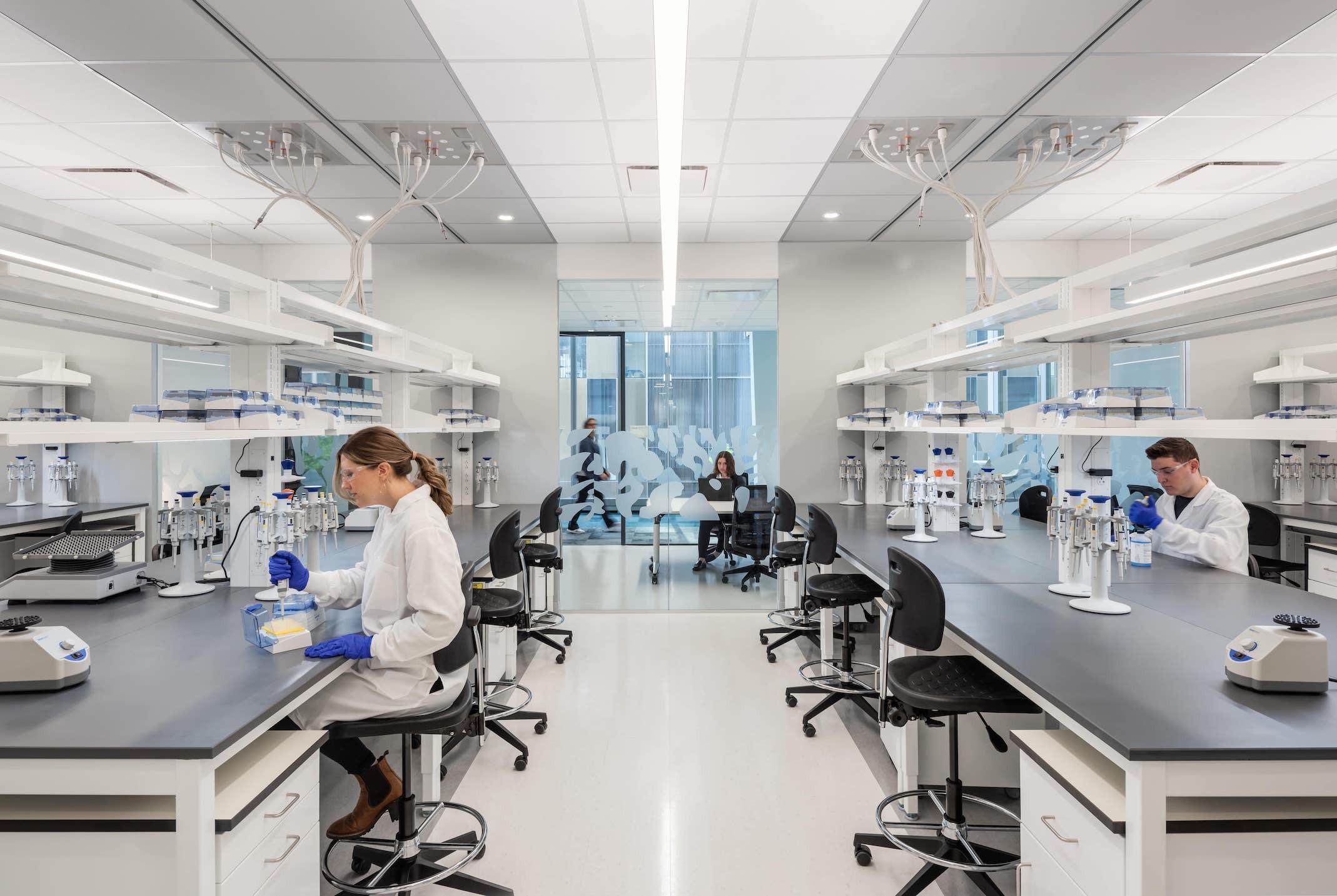
A shared laboratory can look orderly while hiding risks between projects. One team leaves paperwork beside a common workstation, another temporarily places containers nearby, and a third assumes the area is ready. Researchers considering AICAR research peptide for sale should think about how their institution separates materials, records, and responsibilities before approved work begins. A busy workspace does not need to become a confusing one. Deliberate layouts and clear rules help people recognize what belongs where, especially when several studies operate at once.
Define Clear Zones for Work
An open bench can serve several projects, but shared use requires clear boundaries. Laboratories should identify where incoming items are checked, where approved materials are held, and where documentation is completed. Those areas need not be elaborate, although their purposes should be visible to everyone. A temporary surface should not quietly become permanent storage. Managers can walk through the room with staff to see where people set things down. Observing routine behavior often reveals gaps that an idealized floor plan misses.
Prevent Confusion Between Similar Containers
Similar containers can create confusion when research groups work nearby. Teams should rely on approved identifiers and inventory records, not differences in cap color or someone remembering where an item was placed. If material cannot be identified confidently, established procedures should determine its status and next review. Consistent labels make it easier for staff to recognize an item that has arrived in another area. A shared room works better when identification remains reliable even after the person who organized it leaves.
Keep Research Information Properly Organized
Searching for pura peptides epitalon reviews raises questions about supplier experiences, but those comments cannot determine how a particular laboratory should organize its space. A facilities plan needs to reflect hazards, approved research activities, and local safety rules. Teams should consider what information belongs at a workstation and what should remain in a controlled system. The goal is not to display every document in public view. It is to make necessary instructions accessible to authorized people without mixing unrelated projects or exposing sensitive records.
Manage Movement Between Shared Stations
Shared equipment creates movement between work zones when staff carry notebooks, tools, or samples to another station. Each movement is a chance for an item to be placed in an unexpected location. Rather than relying on verbal reminders, laboratories can define where items enter and leave a shared area and how their status is recorded. These decisions should follow institutional protocols and any relevant safety controls. A clear route through the room supports accountability without turning work into an obstacle course.
Establish Reliable Workstation Clearance Rules
A work area may look clean while readiness for another project remains uncertain. Staff should know who checks the area, what documentation is required, and when an unresolved concern prevents further use. Cleaning and decontamination measures must be selected by qualified personnel for the actual hazards involved, not borrowed casually from another project. Written status signals can help colleagues avoid making assumptions after a shift change. A cleared surface should mean the required checks occurred, not merely that nothing is visible.
Include Researchers in Workspace Planning
Laboratories often design spaces around instruments and storage cabinets, overlooking the people who must navigate them. Crowded walkways, poorly placed paperwork, and unclear responsibility for shared stations can create avoidable interruptions. Ask researchers where handoffs become awkward and where they repeatedly need to search for information. Their answers may suggest simple layout changes or clearer scheduling rules. Not every complaint requires new furniture. Sometimes assigning ownership of a shared station or moving a record terminal solves a persistent source of confusion.
Review Workspace Rules During Operations
Once a new layout or rule is introduced, staff should check whether it works during a busy day. Are materials still left in the wrong place? Can newcomers identify where to report an issue? Do multiple groups understand the same signs? Reviewing incidents and near misses can reveal problems before they affect study records. Improvements should be documented and communicated without blaming the first person to notice a weakness. Shared spaces stay dependable through adjustment, not a perfect arrangement made at opening.
Conclusion
The best laboratory layout attracts little attention because people can focus on the experiment rather than navigating uncertainty. Clear boundaries, accessible instructions, and sensible handoffs make shared rooms easier to use as projects change. A supplier search that includes purapeptides.com cannot answer these practical design questions for an institution. Those answers emerge from observing daily work and listening to the people doing it. When a workspace makes the right action obvious, it quietly supports better research long before the first result is recorded.