

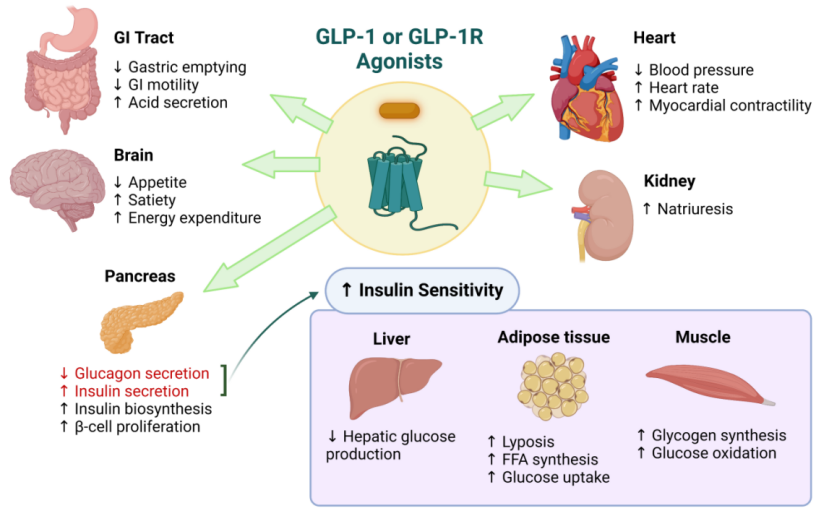
Diabetes, a chronic metabolic disorder that results from inadequate insulin secretion by the pancreas or insulin resistance in the body, has reached alarming levels worldwide. In 2021, it was estimated that over 537 million adults between 20-79 years of age would suffer from diabetes, making it one of the major threats to human life and well-being.
With the advancement in molecular target research, the development of small molecule drugs has emerged as a powerful tool for targeted therapies, gaining momentum among drug developers. In recent years, the glucagon-like peptide-1 receptor (GLP-1R) has gained considerable attention as a hot target in diabetes research.
An Overview of GLP-1R
GLP-1R, a member of the glucagon receptor subfamily within the G protein-coupled receptor cluster B, is widely expressed across various tissues, including the pancreas, brain, small intestine, heart, and lungs[2]. GLP-1 or its analogs act as natural or synthetic agonists to activate physiological functions in the body, such as stimulating insulin secretion and inhibiting glucagon secretion, thereby promoting glucose metabolism. Simultaneously, they also play a crucial role in reducing appetite and slowing down gastric emptying[3,4]. Consequently, there has been a steady increase in the development of hypoglycemic and weight-loss drugs targeting GLP-1R.
Current Market Landscape of Antidiabetic Drugs Targeting GLP-1R
Several antidiabetic drugs that act on GLP-1R have received US FDA approval and are actively marketed. With the exception of insulin, these drugs have the largest market share in the global hypoglycemic drug market, and their dominance is gradually increasing.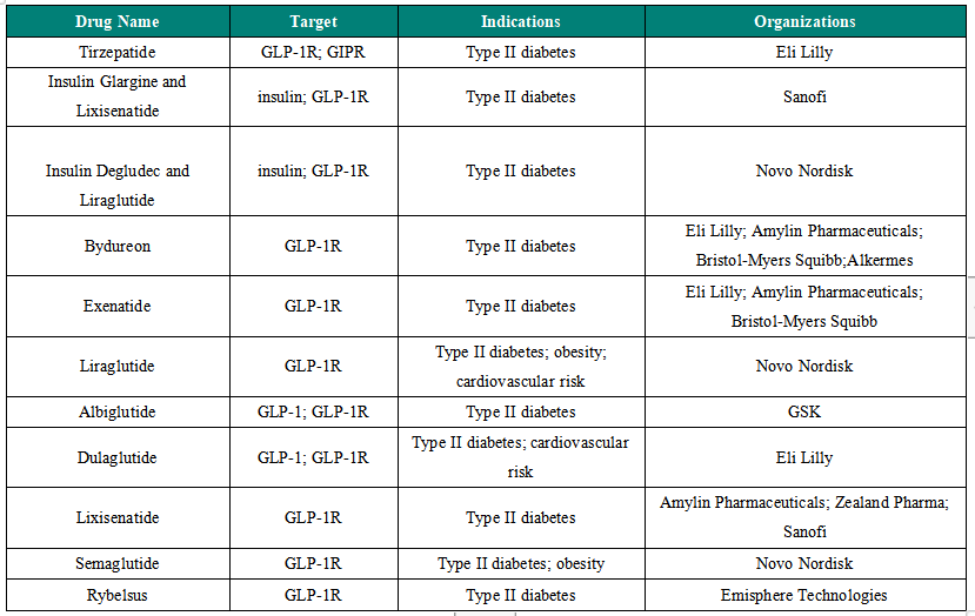
Table 1: Hypoglycemic drugs targeting GLP-1R with FDA approval
(source: PHARMCUBE)
GLP-1R agonists are currently at the forefront of the global hypoglycemic drug market. As our understanding of the pathological mechanisms of GLP-1 in various diseases improves, GLP-1R agonists will likely expand their indications to encompass a wider range of disease areas, such as kidney disease, cardiovascular diseases, NASH, and others.
GLP-1R Humanized Mouse Model Developed by GemPharmatech
GemPharmatech has been actively engaged in the development of clinically relevant animal models for years and has successfully created a humanized GLP-1R mouse model (B6-hGLP-1R │ NO. T053832). This model provides a powerful tool for conducting research related to obesity drug screening and efficacy evaluation.
Validation Data for B6-hGLP-1R Mice:
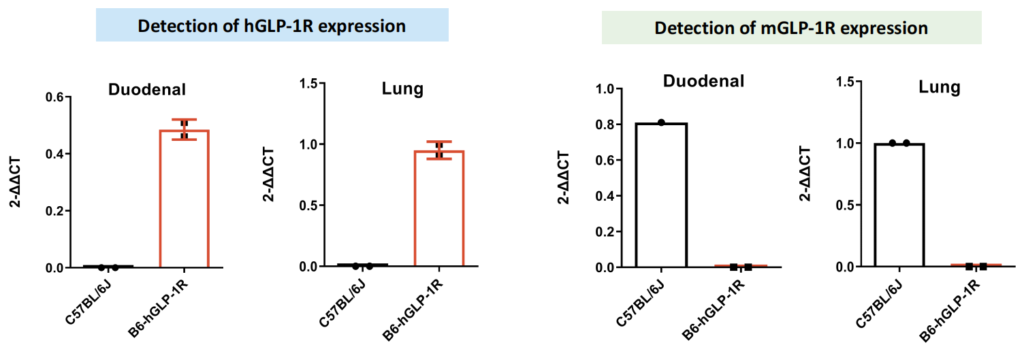
Fig 2: Detection of mRNA expression in B6-hGLP-1R mice
The results showed that the human GLP-1R mRNA was highly expressed in the duodenal and lung tissues of B6-hGLP-1R mice, while murine GLP-1R mRNA was not detected.
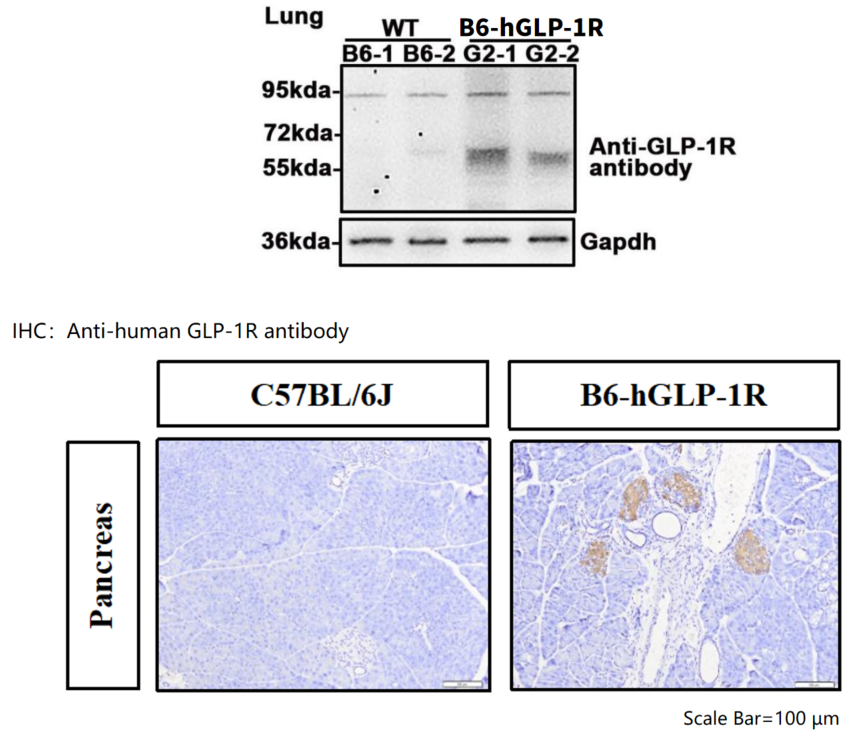
Fig 3: Detection of protein expression in B6-hGLP-1R mice
The results showed that the human GLP-1R protein was highly expressed in the lung and pancreas of B6-hGLP-1R mice.
Drug efficacy evaluation using B6-hGLP-1R mice:
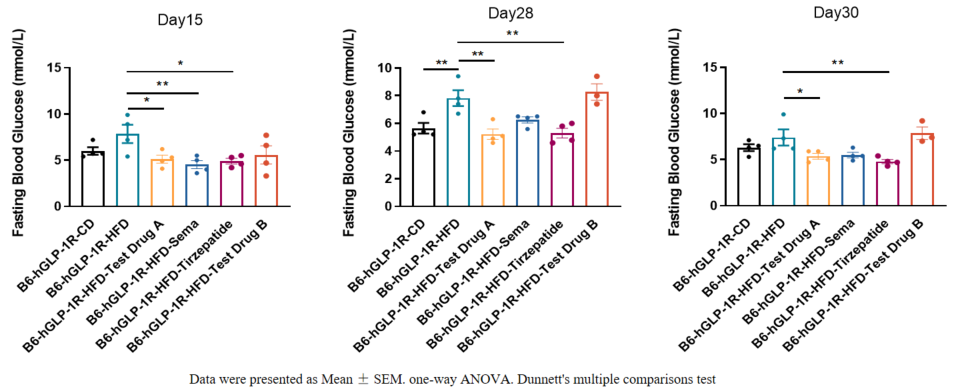
Fig 4: Blood glucose detection experiment (data from 3rd party collaboration)
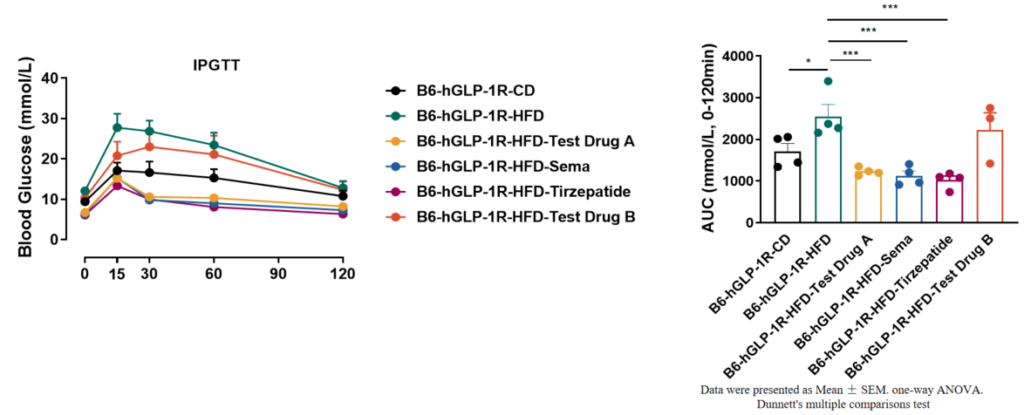
Fig 5: IPGTT (data from 3rd party collaboration)
In comparison to B6-hGLP-1R mice that were fed with a Chow diet (CD), those that were fed with a high-fat diet (HFD) had higher blood sugar levels and exhibited impaired glucose metabolism as shown by fasting blood glucose (Fig 4) and glucose tolerance (Fig 5). During efficacy evaluation, both positive drugs (Sema and Tirzepatide) and the test product A demonstrated a significant hypoglycemic effect in the B6-hGLP-1R mice, affirming its potential as a suitable model for diabetes drug screening.
References:
- International Diabetes Federation (IDF). Global Diabetes Atlas (10th Edition). 2021
- Mohd MA, Koole C, et al. Molecular mechanisms underlying physiological and receptor pleiotropic effects mediated by GLP-1R activation. British Journal of Pharmacology, 2014, 171 : 1114–1128. DOI: 10.1111/bph.12313
- Brubaker PL, Drucker DJ. Structure-function of the glucagon receptor family of G protein-coupled receptors: the glucagon, GIP, GLP-1, and GLP-2 receptors. Receptors & Channels, 2011, 8 : 179–188.
- Francisco Kerr Saraiva , Andrei C Sposito. Cardiovascular effects of Glucagon-like peptide 1 (GLP-1) receptor agonists, 2014.10. DOI: 10.1186/s12933-014-0142-7