

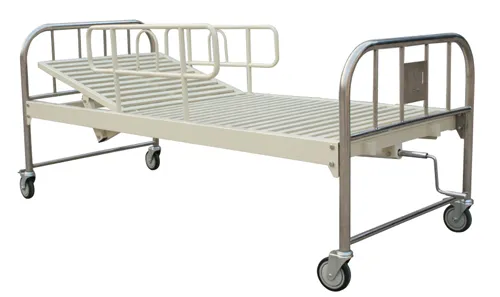
Choosing a hospital bed vendor takes more research than most facilities budget time for during procurement, since these units run continuously for years under heavy daily use. Prices vary considerably between suppliers, coating quality differs more than glossy brochures suggest, and some manufacturers skip proper curing processes that only reveal problems months after installation begins. Whether you’re outfitting a general ward or a specialized care unit, understanding what separates a genuine Powder Coated Hospital Bed Manufacturer in Argentina from a mediocre supplier saves both budget and future frustration. This guide walks through what actually matters when comparing vendors.
Coating Thickness and Application Quality
Powder coating thickness directly affects how well a frame resists chipping and scratching under years of regular clinical handling and equipment movement. Ask manufacturers for coating thickness specifications measured in microns, not vague assurances about durability sounding reassuring on paper. Uneven application creates weak spots where rust can eventually creep in, compromising both appearance and structural integrity over time. Request actual samples showing coating consistency before committing to any bulk order across multiple wards.
Corrosion Resistance in Clinical Environments
Hospital settings involve constant exposure to disinfectants, moisture, and harsh cleaning chemicals applied multiple times daily without exception across every shift. Poor quality coating corrodes faster under this kind of repeated chemical contact, developing rust spots within months that compromise hygiene standards significantly. A trustworthy Commode Wheelchair Supplier in Chile faces similar coating durability questions across their product range, and the same logic applies directly here too; always confirm coating grade before finalizing any purchase.
Frame Strength Under Daily Handling
Beds get moved, adjusted, and repositioned constantly throughout busy ward operations, putting real stress on frame joints and welded connections over time. Ask about weld quality specifically, since powder coating can sometimes mask underlying structural weaknesses that only surface after regular use begins wearing things down. Request load testing data covering both static weight and dynamic movement during transfers or repositioning. A frame that flexes noticeably under normal handling isn’t cosmetic; it’s a genuine safety concern.
Motor and Mechanism Cycle Ratings
Electric adjustment motors handle constant use, raising and lowering bed sections dozens of times daily across busy hospital wards without much rest between cycles. Cheap motors burn out within a year or two, leaving staff stuck relying on manual overrides that slow patient care considerably during already hectic shifts. Ask about motor cycle ratings specifically rated for continuous clinical use, not generic consumer-grade specifications. Facilities with high patient turnover should prioritize motors built for heavier daily cycling demands.
Comparing Pricing and Total Value
Lowest quoted price rarely reflects genuine long-term value once maintenance costs and eventual replacement parts enter the picture across several years of operation. Request itemized quotes breaking down base unit cost, coating warranty, and spare parts availability clearly spelled out in writing beforehand. Compare at least three vendors side by side, since pricing structures vary more than most buyers initially expect walking into these negotiations. Factor total ownership cost across five years minimum, not just today’s invoice number.
Delivery Timelines and Installation Details
Lead times swing considerably between manufacturers, sometimes differing by several weeks for essentially comparable bed specifications and coating options offered. Confirm realistic delivery estimates upfront rather than accepting optimistic numbers salespeople quote purely to close a sale faster than reasonable. Ask whether installation and initial setup are included, since these beds involve electrical components untrained staff genuinely shouldn’t attempt handling alone without proper guidance. Vendors experienced with hospital logistics across South America typically manage these details more smoothly.
Verifying Warranty and Repair Access
Warranty length reveals quite a lot about how confident a manufacturer actually feels regarding their own coating and build quality overall. Look for coverage extending at least two years on coating integrity specifically, since chipping and corrosion issues tend to surface gradually over that timeframe. Ask about local repair support too, since shipping a malfunctioning bed back overseas for warranty service disrupts patient care in ways facilities simply cannot absorb without significant operational strain and inconvenience.
Conclusion
Selecting a hospital bed manufacturer involves weighing considerably more factors than most facilities expect when they first begin comparing available options. From coating thickness to motor reliability to realistic delivery timelines, each element shapes whether the investment holds up well across years of continuous clinical use, not just the initial installation period alone. Taking time to verify certifications, request real samples, and compare total ownership costs pays off substantially down the road for busy facilities. Patience during this process, even when it feels slow, tends to prevent costly replacements and operational disruptions later on.