
Legal Requirements for First Aid in the Hospitality Industry

Understanding Your Legal Duties

In the UK, hospitality businesses—including restaurants, cafés, hotels, and bars—must comply with the Health and Safety (First-Aid) Regulations 1981. These regulations mandate that employers provide adequate and appropriate first aid equipment, facilities, and personnel to ensure immediate assistance is available if an employee is injured or becomes ill at work.

While the law doesn’t require you to offer first aid to customers or visitors, the Health and Safety Executive (HSE) strongly recommends considering non-employees in your first aid needs assessment, especially in public-facing environments like hospitality

Conducting a First Aid Needs Assessment

Every hospitality business must perform a first aid needs assessment to determine the appropriate level of first aid provision. This assessment should consider:

  • The nature of your work and associated risks (e.g., burns, cuts, slips)
  • The size and layout of your premises
  • The number of employees and their work patterns
  • The proximity to emergency medical services
  • Historical accident data

Based on this assessment, you can decide on the necessary first aid equipment, facilities, and number of trained personnel required

First Aid Personnel: Appointed Persons vs. Trained First Aiders

Depending on your assessment:

  • Appointed Person: Responsible for managing first aid arrangements, such as maintaining the first aid kit and calling emergency services. No formal training is required.
  • Trained First Aider: Has completed a certified course (e.g., Emergency First Aid at Work or First Aid at Work) and can provide immediate assistance.

In higher-risk environments, like kitchens, having trained first aiders is advisable

First Aid Equipment and Facilities

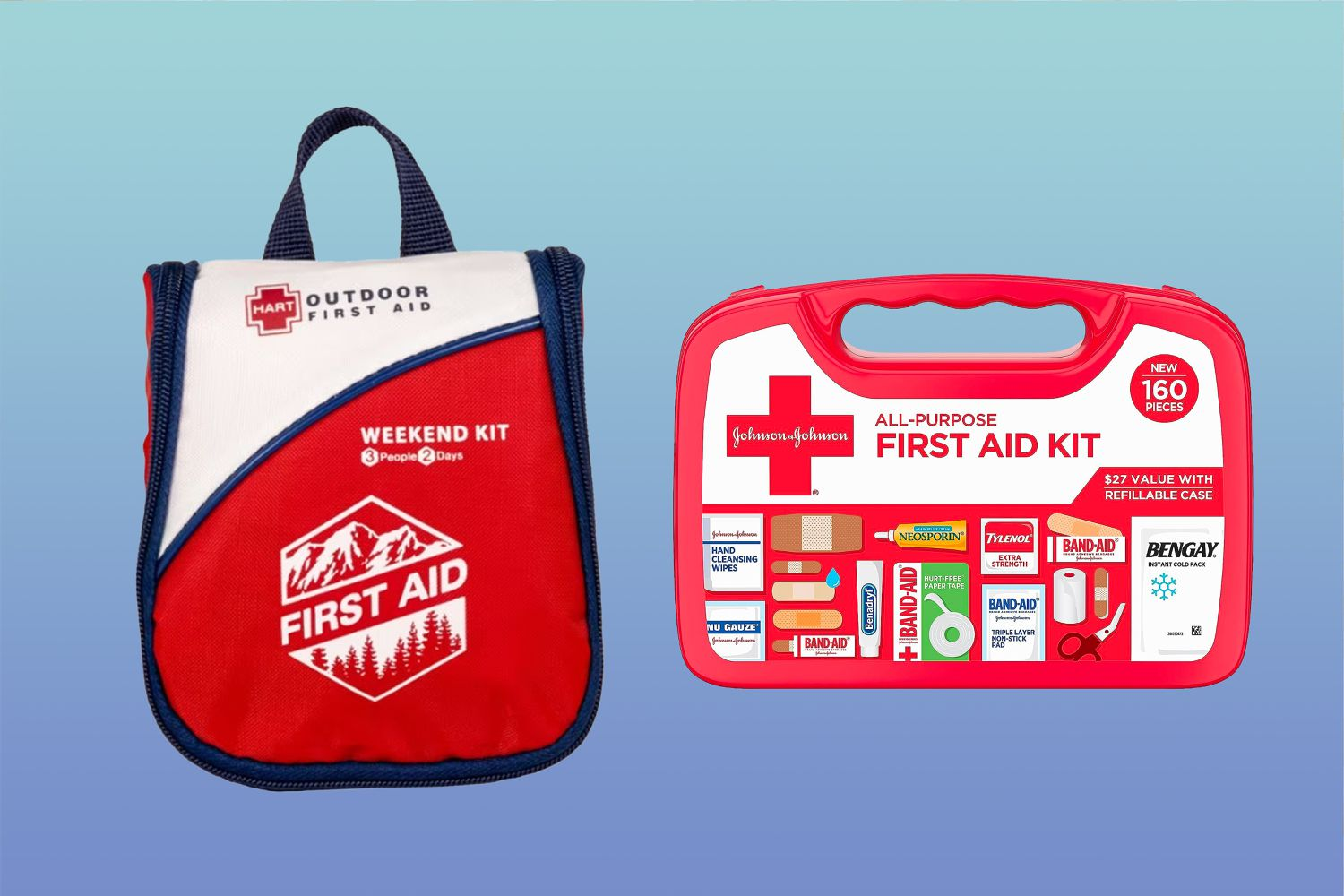
At a minimum, you must provide a suitably stocked first aid kit. For hospitality settings, consider kits that include items specific to common injuries in the industry, such as burns and cuts. The contents should align with the findings of your needs assessment

Additionally, ensure that first aid information is easily accessible to all employees. In larger establishments, a dedicated first aid room may be necessary.

Training and Record-Keeping

First aiders should undergo regular training to maintain their skills. While annual refresher courses aren’t mandatory, they are recommended. Keep records of all training and any incidents requiring first aid, as this documentation can be crucial for legal compliance and future assessments

Compliance and Best Practices

  • Signage: Clearly mark first aid stations and kits with standardized signs.
  • Accessibility: Ensure first aid equipment is easily accessible to all staff.
  • Review: Regularly review and update your first aid needs assessment, especially after any significant changes in operations or after an incident.

For more detailed guidance, visit the HSE’s official page on first aid requirements: 

Most Popular

More from Author

Ongoing Bloating After Meals: How an Abdomen Ultrasound May Support Further Evaluation

Feeling bloated after meals occasionally is common and may happen due...

Holistic Reintegration and Relapse Prevention Architecture

Returning home heavily triggers extreme psychological terror. The immense, sprawling city...

Inner Child Therapy Dubai for Emotional Healing and Personal Growth Support

People often react strongly to small situations without fully understanding the...

Modern Approaches to Treating Disc-Related Back Problems

Disc-related back problems have become increasingly common in modern society. Long...

Read Now

Ongoing Bloating After Meals: How an Abdomen Ultrasound May Support Further Evaluation

Feeling bloated after meals occasionally is common and may happen due to eating habits, digestion speed, or certain foods. However, bloating that continues for weeks or becomes more noticeable after almost every meal can sometimes affect comfort, appetite, sleep, and daily activities. This guide helps you learn...

Holistic Reintegration and Relapse Prevention Architecture

Returning home heavily triggers extreme psychological terror. The immense, sprawling city patiently waits with thousands of highly familiar environmental triggers entirely designed to aggressively pull the recovering individual directly back into active consumption. Extreme caution strictly dictates early success. Completing a rigorous programme of alcohol rehab in...

Inner Child Therapy Dubai for Emotional Healing and Personal Growth Support

People often react strongly to small situations without fully understanding the deeper emotional reason behind those sudden responses afterward. Inner child therapy Dubai sessions usually focus on hidden emotional patterns connected with earlier life experiences and unresolved memories. Some individuals struggle with trust, confidence, or fear because...

Modern Approaches to Treating Disc-Related Back Problems

Disc-related back problems have become increasingly common in modern society. Long hours spent sitting, poor posture, repetitive strain, and physically demanding activities can all place pressure on the spine over time. When spinal discs become damaged, bulge outward, or deteriorate due to aging, they can cause persistent...

Chiropractor Ancaster, Ontario: Hamilton Chiropractor Care for Daily Muscle Strain Problems

People spend long hours sitting inside offices, vehicles, and home workspaces without changing posture enough. That routine slowly affects shoulders, hips, and lower back areas after several months pass. A chiropractor Ancaster Ontario, often sees posture-related discomfort connected with desk work and reduced movement habits. These issues...

Stop Trying to Sleep: The Counterintuitive Cure for Insomnia

A lot of people around the world have trouble sleeping because of insomnia. People can't find rest no matter how hard they try. In a strange way, the answer might not lie in pushing sleep, but in using Zolpidem 10 mg to restart the body's normal sleep...