

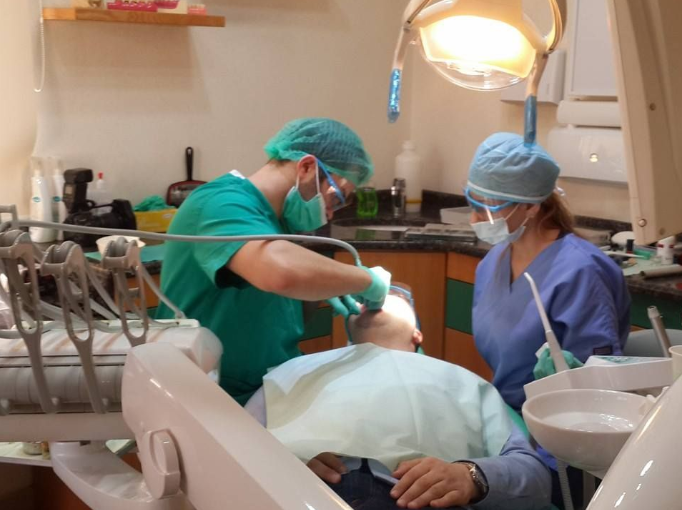
Taking care of your teeth isn’t just about avoiding cavities. For many people, dental problems can become complex, involving deep infections, bone loss, or chronic pain. When things go beyond regular cleanings or fillings, it’s time for a more professional approach. Managing advanced dental conditions means knowing when to seek specialized help and choosing the right provider who understands the intricacies of oral health.
Expertise And Insight From A Dentist
A dentist is a licensed healthcare professional trained to diagnose, prevent, and treat issues affecting the teeth and gums. They handle everything from cleanings to crowns and are your first line of defense against advanced problems.
When symptoms like persistent toothaches, broken teeth, or severe decay appear, a general dentist is where most patients begin. They use X-rays, advanced tools, and a clinical eye to spot the problem. In many cases, they can perform root canals, place crowns, or guide you through infection management. But if the issue lies deeper—beyond the gums—a referral may follow.
Treating Gum Disease With A Periodontist
A periodontist is a dental specialist who focuses on the structures supporting the teeth—mainly the gums and jawbone. Periodontists treat diseases like periodontitis, a serious gum infection that can destroy bone and tissue.
When bleeding gums, deep pockets, or tooth mobility are present, a periodontist steps in. They perform scaling, root planing, and sometimes even surgeries to restore oral health. Their work is critical in preserving teeth that may otherwise be lost due to advanced gum disease. For patients with chronic issues, their guidance can be life-changing.
Dental Implants And Surgical Precision By A Periodontist
Dental implants, which replace missing teeth, often require expert placement. This is another area where a periodontist plays a key role. Their surgical skill ensures the implant is anchored correctly in the jawbone and that the gum tissue heals properly around it.
This isn’t just about aesthetics. A poorly placed implant can lead to infection, pain, or long-term failure. With their in-depth training, periodontists understand how to work with the bone structure and soft tissue to create lasting results. Whether it’s a single tooth or a full arch, their work is foundational in restoring function and confidence.
Restorative Treatments Guided By A Skilled Dentist
Once the foundation is stable, a dentist often takes the lead again. They collaborate with periodontists and other specialists to complete the patient’s smile. This may involve bridges, crowns, or veneers.
The dentist assesses bite alignment, checks for wear patterns, and ensures every restoration fits comfortably. Their understanding of materials and aesthetics turns functional repairs into beautiful results. Managing advanced conditions is rarely a solo effort. The partnership between dentist and periodontist is essential for full recovery.
Ongoing Maintenance And Monitoring By Your Dentist
After treatment, maintenance becomes the next priority. A dentist creates a personalized care plan that includes regular checkups, cleanings, and education on proper hygiene techniques.
Even patients who’ve undergone major procedures still need routine care. A professional cleaning every few months can keep new infections from forming and help detect any early signs of relapse. The dentist remains the central figure, guiding the patient long after the surgeries are done.
Conclusion
Advanced dental conditions require a team approach, and the roles of dentist and periodontist are both vital. While the dentist handles general and restorative care, the periodontist provides deep intervention when the gums or bones are compromised. Together, they create a complete care pathway that not only treats the current condition but helps prevent future problems.