

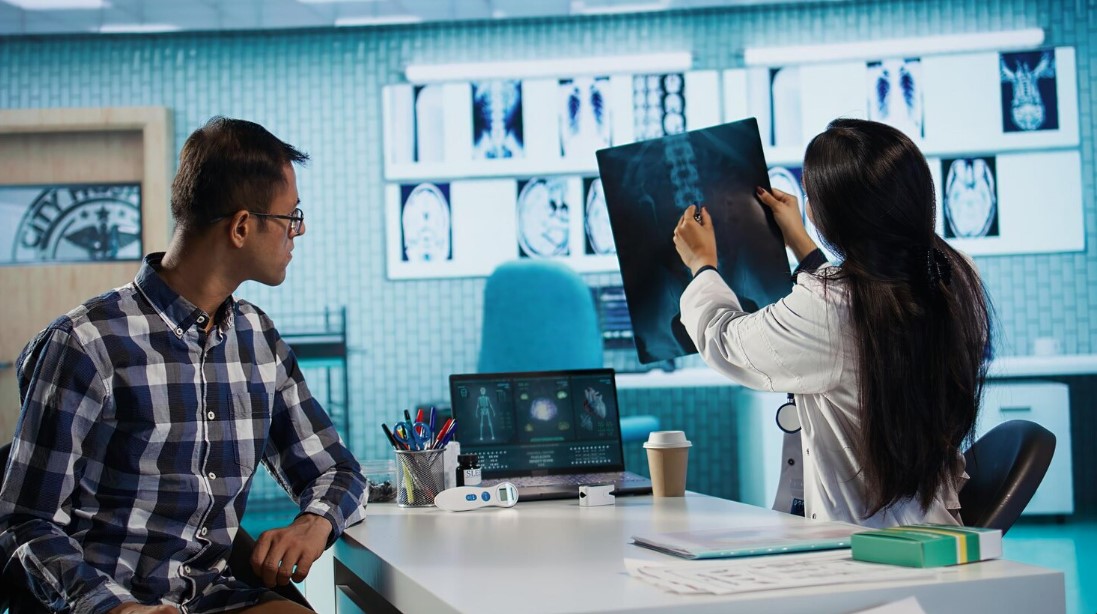
Medical imaging plays an important role in diagnosing injuries, diseases, and many other health conditions. Among the most commonly used imaging techniques are MRI and CT scans. While both help healthcare providers examine the inside of the body, they use different technologies and are designed for different medical purposes.
Knowing the difference between MRI and CT scans can help you understand why your doctor recommends one over the other. This guide explains how each scan works, when they are commonly used, and the factors healthcare providers consider before choosing the most appropriate imaging test.
Understanding MRI and CT Scans
MRI and CT scans are advanced diagnostic imaging techniques that create detailed pictures of structures inside the body. Although they may appear similar, they work in very different ways.
An MRI scan uses a powerful magnetic field and radio waves to produce highly detailed images of soft tissues, including the brain, spinal cord, muscles, ligaments, tendons, joints, and internal organs. Since MRI does not use ionizing radiation, it is commonly recommended when detailed soft tissue evaluation is required.
A CT scan, also known as computed tomography, uses multiple X-ray images taken from different angles to create detailed cross-sectional views of bones, organs, blood vessels, and other internal structures. CT scans are widely used because they can be completed quickly and provide valuable diagnostic information in both routine and emergency medical situations.
How MRI and CT Scans Differ
Although both imaging techniques provide detailed internal images, they differ in several important ways.
Technology Used
MRI uses magnetic fields and radio waves to generate images without exposing the body to radiation.
CT scans use low-dose X-rays combined with computer technology to produce detailed cross-sectional images.
Structures They Show Best
MRI provides exceptional detail of soft tissues and is particularly useful for examining the brain, spinal cord, muscles, ligaments, tendons, cartilage, and certain internal organs.
CT scans provide excellent visualization of bones, lungs, blood vessels, abdominal organs, and internal injuries. They are also effective in detecting fractures, bleeding, and certain infections.
Scan Duration
MRI examinations generally take longer than CT scans, with some studies lasting between 20 and 60 minutes depending on the area being examined.
CT scans are usually completed within a few minutes, making them especially valuable when rapid diagnosis is required.
When an MRI May Be Recommended
Healthcare providers may recommend an MRI when detailed soft tissue imaging is needed.
Common situations include:
-
Brain and spinal cord disorders
-
Joint pain or injuries
-
Ligament and tendon injuries
-
Sports injuries
-
Muscle disorders
-
Herniated discs
-
Certain neurological conditions
-
Soft tissue masses
MRI provides excellent contrast between different soft tissues, allowing healthcare providers to evaluate conditions that may not be clearly visible on other imaging tests.
When a CT Scan May Be Recommended
CT scans are often recommended when fast imaging is required or when doctors need detailed information about bones and certain internal organs.
Common reasons include:
-
Bone fractures
-
Head injuries
-
Chest conditions
-
Lung diseases
-
Kidney stones
-
Abdominal pain
-
Internal bleeding
-
Trauma assessment
-
Certain infections
Because CT imaging is fast and widely available, it is commonly used in emergency departments to assist with urgent medical diagnosis.
Factors Doctors Consider Before Choosing an Imaging Test
The choice between MRI and CT depends on the individual’s symptoms and the clinical information required.
Healthcare providers usually consider:
-
The area of the body being examined
-
Whether soft tissues or bones require detailed evaluation
-
The urgency of the condition
-
Patient age and medical history
-
Previous imaging results
-
Presence of implanted medical devices
-
Whether contrast material is required
In some cases, both MRI and CT scans may be recommended because they provide complementary information that supports a more accurate diagnosis.
Preparing for an MRI or CT Scan
Preparation depends on the type of examination being performed.
For MRI scans, patients are generally asked to remove all metal objects before entering the examination room because the scanner uses a powerful magnetic field. Some MRI examinations may also require contrast material to improve image quality.
For CT scans, certain examinations may involve contrast material that is either swallowed or administered through an injection to improve visualization of specific organs and blood vessels. Your healthcare provider will explain any preparation instructions before the scan.
Are MRI and CT Scans Safe?
Both MRI and CT scans are considered safe diagnostic procedures when performed for appropriate medical reasons.
MRI does not use ionizing radiation, making it suitable for many patients. However, individuals with certain implanted medical devices, metallic implants, or metal fragments inside the body may require additional assessment before undergoing an MRI.
CT scans involve a small amount of radiation. Healthcare providers recommend CT imaging only when the expected diagnostic benefits outweigh the potential risks, while ensuring radiation exposure is kept as low as reasonably achievable.
Making the Right Imaging Choice
MRI and CT scans are both valuable diagnostic tools that help healthcare providers evaluate a wide range of medical conditions. MRI offers highly detailed images of soft tissues without using radiation, while CT scans provide rapid, detailed images of bones, organs, and internal injuries.
Rather than one test being better than the other, each serves a specific purpose. The most appropriate imaging method depends on your symptoms, medical history, and the area of the body being examined. Consulting a healthcare provider ensures the right imaging test is selected to support an accurate diagnosis and appropriate treatment planning.