

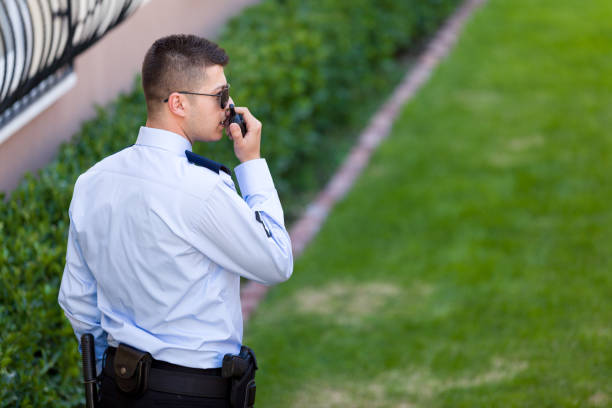
Hospitals and health facilities play a vital role in providing medical care and ensuring the well-being of individuals within their communities. With the increasing threat of violence and criminal activities, it has become essential to prioritize the security of these institutions. Armed guards have emerged as a crucial component in safeguarding hospitals and health facilities. Their presence and expertise not only deter potential threats but also contribute to maintaining a safe and secure environment for patients, staff, and visitors. Here, we will discuss the significant role that armed guards play in securing hospitals and health facilities.
Enhancing Physical Security
Armed guards serve as the frontline defense against various security risks faced by hospitals and health facilities. Their presence alone acts as a powerful deterrent, discouraging criminal activities such as theft, vandalism, and assault. The visible presence of armed guards creates a sense of security and reassurance among patients, staff, and visitors, fostering a safe environment that promotes healing and recovery. They have latest security weapons like rifle with rifle scopes to prevent hospital from criminal activities such as theft, vandalism, and assault.
In emergency situations, such as active shooter incidents or terrorist threats, armed guards are trained to respond quickly and effectively. Their specialized training in handling firearms and managing high-stress situations enables them to neutralize threats and protect innocent lives. Their rapid response can prevent the escalation of violence, allowing medical personnel to focus on saving lives without compromising their safety.
Controlling Access and Restricting Unauthorized Entry
Hospitals and health facilities often face challenges related to unauthorized entry, especially in sensitive areas such as operating rooms, intensive care units, and pharmaceutical storage. Armed guards are responsible for controlling access to these areas and ensuring that only authorized personnel and visitors are granted entry. Through the implementation of access control systems, surveillance cameras, and diligent monitoring, armed guards contribute to the prevention of unauthorized access, protecting patient privacy and confidential information.
Maintaining Order and Handling Aggressive Situations
In the healthcare environment, emotions can run high, leading to conflicts and aggressive behavior. Armed guards are trained to defuse potentially volatile situations and handle individuals exhibiting aggressive behavior. Their conflict resolution skills and ability to maintain calm can help de-escalate tense situations, preventing them from spiraling out of control. By intervening promptly and professionally, armed guards contribute to a safe and secure atmosphere where patients, staff, and visitors can feel protected and supported.
Collaborating with Local Law Enforcement
Armed guards often work closely with local law enforcement agencies to ensure the security of hospitals and health facilities. Their expertise and knowledge of the facility’s layout and potential vulnerabilities can assist law enforcement in responding more effectively during emergencies. By coordinating efforts, armed guards and law enforcement can establish a seamless security network, enhancing the overall safety of the facility and its surroundings.
Training and Preparedness
Armed guards undergo rigorous training to develop the skills necessary to handle various security situations specific to healthcare environments. They receive training in crisis management, emergency response, firearms handling, and conflict resolution. Regular drills and simulations help armed guards stay prepared for unforeseen circumstances, enabling them to respond swiftly and decisively in critical situations.
Conclusion:
The role of armed guards in securing hospitals and health facilities cannot be understated. Their presence enhances physical security, deters criminal activities, and ensures the safety of patients, staff, and visitors. With their specialized training and ability to respond effectively during emergencies, armed guards provide a crucial layer of protection against potential threats. By collaborating with local law enforcement and maintaining a vigilant presence, armed guards contribute to fostering a safe environment where healthcare professionals can focus on providing quality care. Prioritizing the deployment of armed guards in hospitals and health facilities is an essential step towards safeguarding these critical institutions and the people within them.