

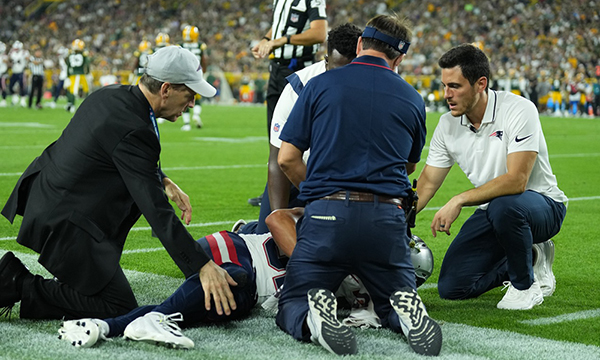
Whether you are an athlete, a fitness fanatic, or someone who just wants to stay active, you will likely feel pain, strain, and limited movement. While minor discomfort can often resolve on its own, there are times when professional medical attention becomes necessary. Knowing when to consult a sports physician can make a significant difference in recovery time, long-term health, and overall performance.
The Role of a Sports Physician
A sports physician specializes in diagnosing, treating, and preventing injuries related to physical activity. Unlike general practitioners, they focus specifically on musculoskeletal issues such as muscle strains, ligament injuries, joint pain, and overuse conditions. Their expertise allows them to not only treat injuries but also guide patients toward safe and effective recovery strategies.
A sports doctor can help you with something as specific as an accident or pain that won’t go away. They can do this by fixing the cause of the problem rather than just the symptoms.
Persistent Pain That Does Not Improve
One of the clearest signs that you should seek help is pain that lingers beyond a few days. Muscle soreness after exercise is normal, but persistent pain may indicate something more serious, such as a tear, inflammation, or joint damage.
If the discomfort worsens with activity or does not improve with rest, it is time to consult a sports physician. When problems are caught early, they are less likely to become long-term conditions that need more thorough treatment.
Recurrent Injuries or Strains
If you find yourself repeatedly experiencing the same type of injury, it is a sign that something is not functioning correctly in your body. Recurrent strains may be caused by poor movement patterns, muscle imbalances, or inadequate recovery.
A sports physician can evaluate your condition, identify underlying causes, and recommend corrective exercises or therapies. This approach not only treats the current injury but also reduces the risk of future problems.
Limited Range of Motion or Stiffness
Problems with mobility, like being stiff or having a limited range of motion, can make it hard to do everyday things and do well in sports. People often don’t pay attention to these problems until they get really bad.
If you notice difficulty in bending, stretching, or performing routine movements, seeking advice from a sports physician is essential. They can assess joint function, identify restrictions, and design a plan to restore mobility safely.
Swelling, Instability, or Weakness
Swelling around joints, a feeling of instability, or sudden weakness are warning signs that should not be ignored. These symptoms may indicate ligament injuries, cartilage damage, or other structural issues.
A sports physician uses clinical evaluation and imaging techniques, if needed, to determine the severity of the problem. Prompt diagnosis helps in choosing the right treatment, whether it involves rehabilitation, medication, or further intervention.
Pain During or After Physical Activity
Experiencing pain during exercise or immediately afterward is not something to push through. Some mild pain is normal during hard workouts, but sharp or constant pain is a sign that your body needs help.
Talking to a sports doctor will help you figure out what’s causing the pain and how to change your activities to avoid getting hurt again.
Difficulty Returning to Activity After Injury
It can be frustrating to recover from an accident when you don’t know how to safely get back to your normal routine. Jumping back into activity too soon can lead to setbacks or reinjury.
A sports physician can create a structured rehabilitation plan that gradually rebuilds strength, flexibility, and endurance. This ensures a smoother and safer return to your desired level of activity.
Preventive Care and Performance Support
You do not need to wait for an injury to seek help. Many people consult a sports physician for preventive care, performance improvement, and overall physical health. They can provide advice on training techniques, injury prevention strategies, and proper recovery practices.
Conclusion
Recognizing when to seek professional help is crucial for maintaining an active and healthy lifestyle. Pain, repeated strain, limited mobility, or unusual symptoms should never be ignored. A qualified sports physician can diagnose issues accurately, guide effective treatment, and help you return to your activities with confidence.
Taking timely action not only speeds up recovery but also protects your long-term physical well-being.